High-Frequency Logistics Automation & Template Orchestration Engine
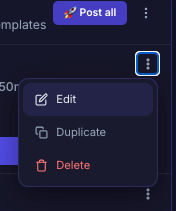
A multi-tenant, millisecond-level transaction dispatch suite that automates lane optimization and load posting parameters on the Amazon Relay platform, transforming high-overhead manual workflows into instant, single-click...
Context
Logistics & Supply Chain Fulfillment
Scope
High-Frequency Process Automation & Resource Orchestration
Ownership
End-to-End Architecture & Delivery
Problem
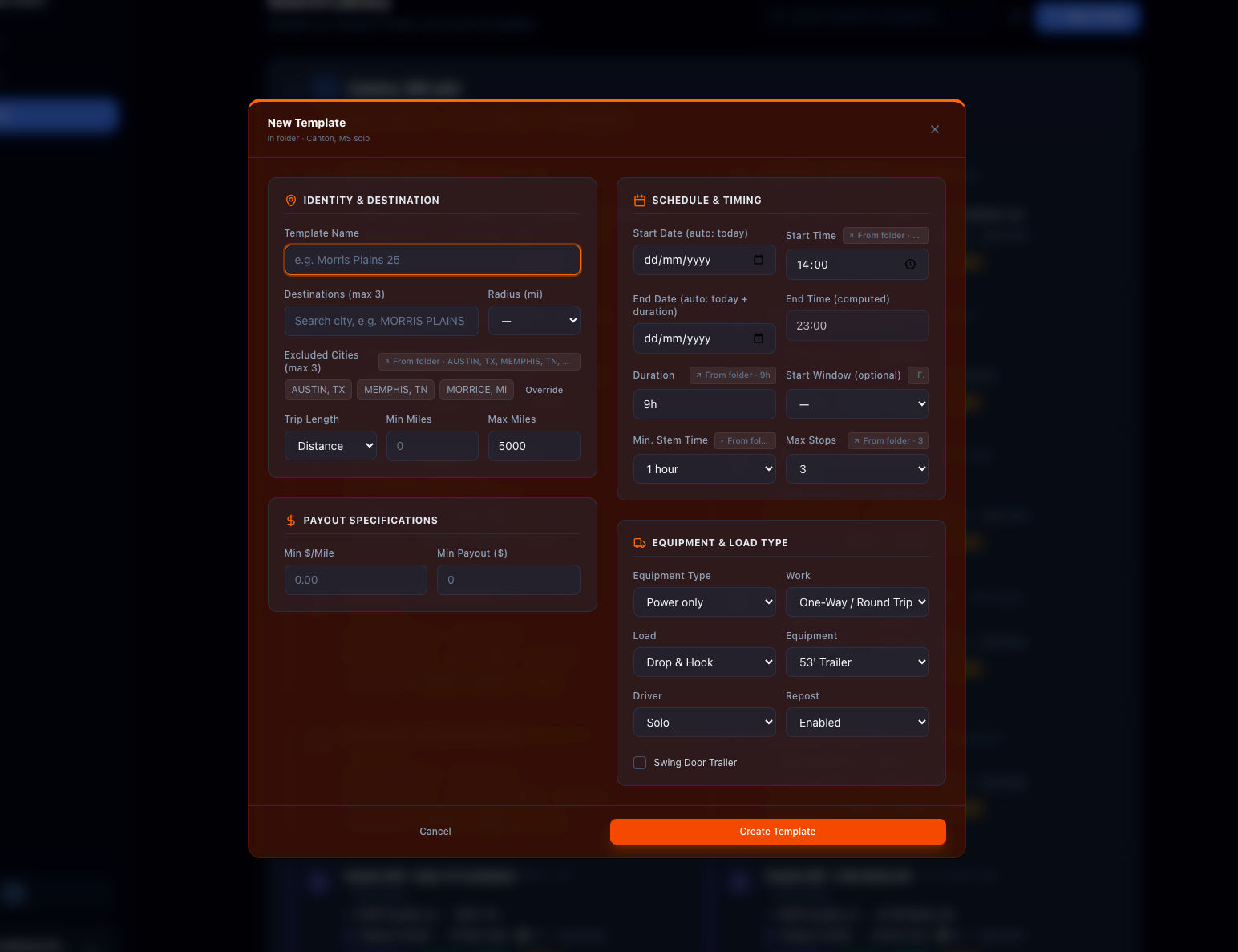
Within the time-critical logistics dispatch landscape, securing profitable transport routes requires immediate execution velocity. Dispatchers operating on the Amazon Relay dashboard were forced to manually configure extensive query parameters—including precise origin vectors, tight radius tolerances, complex equipment variables (e.g., Power Only, Drop & Hook), and maximum stop metrics—separately for every individual freight line. This manual data-entry overhead consumed crucial operational windows, leaving logistics teams vulnerable to systemic booking leakage as manual inputs continuously lost out to programmatic market competitors.
Approach
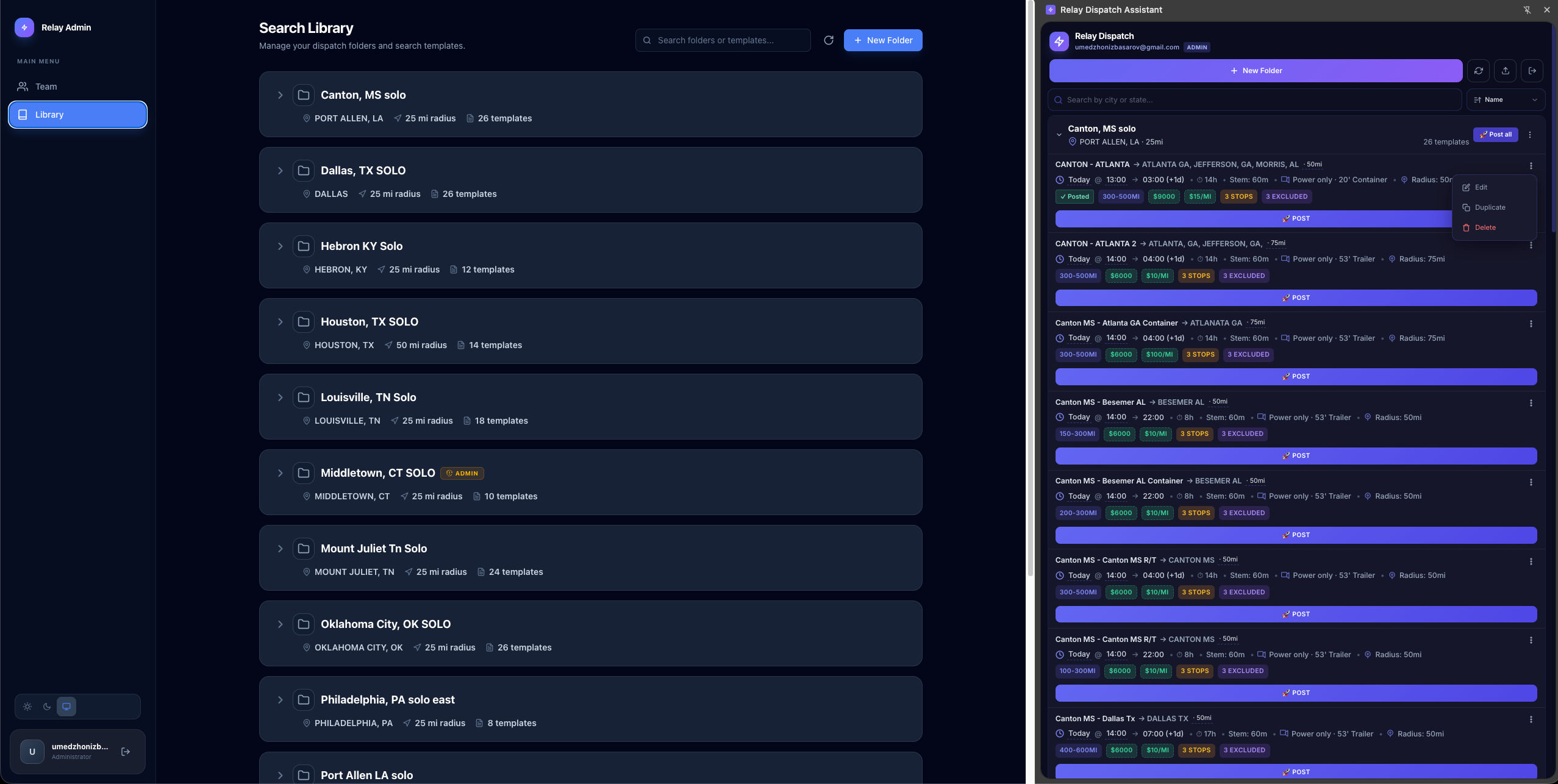
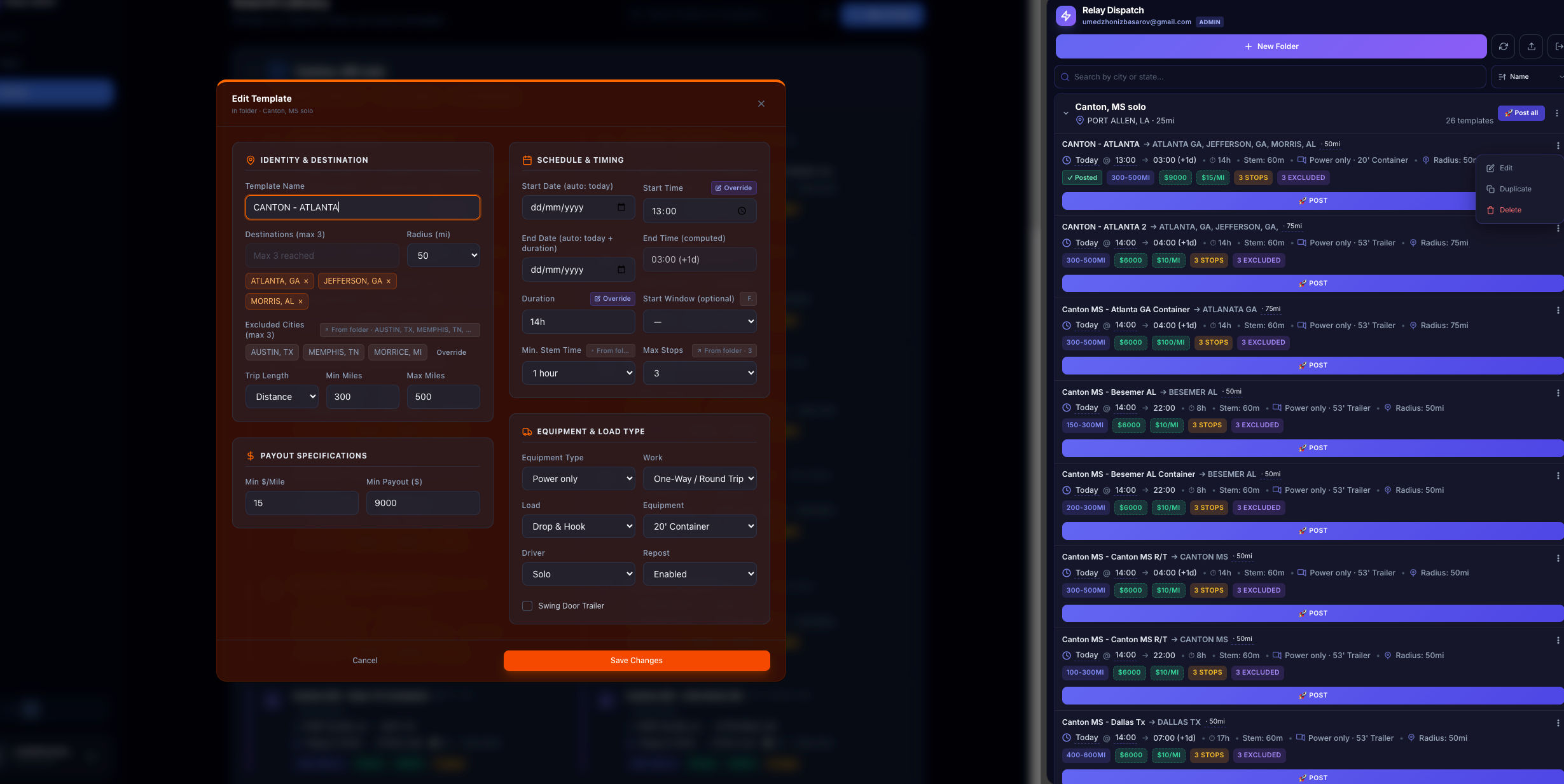
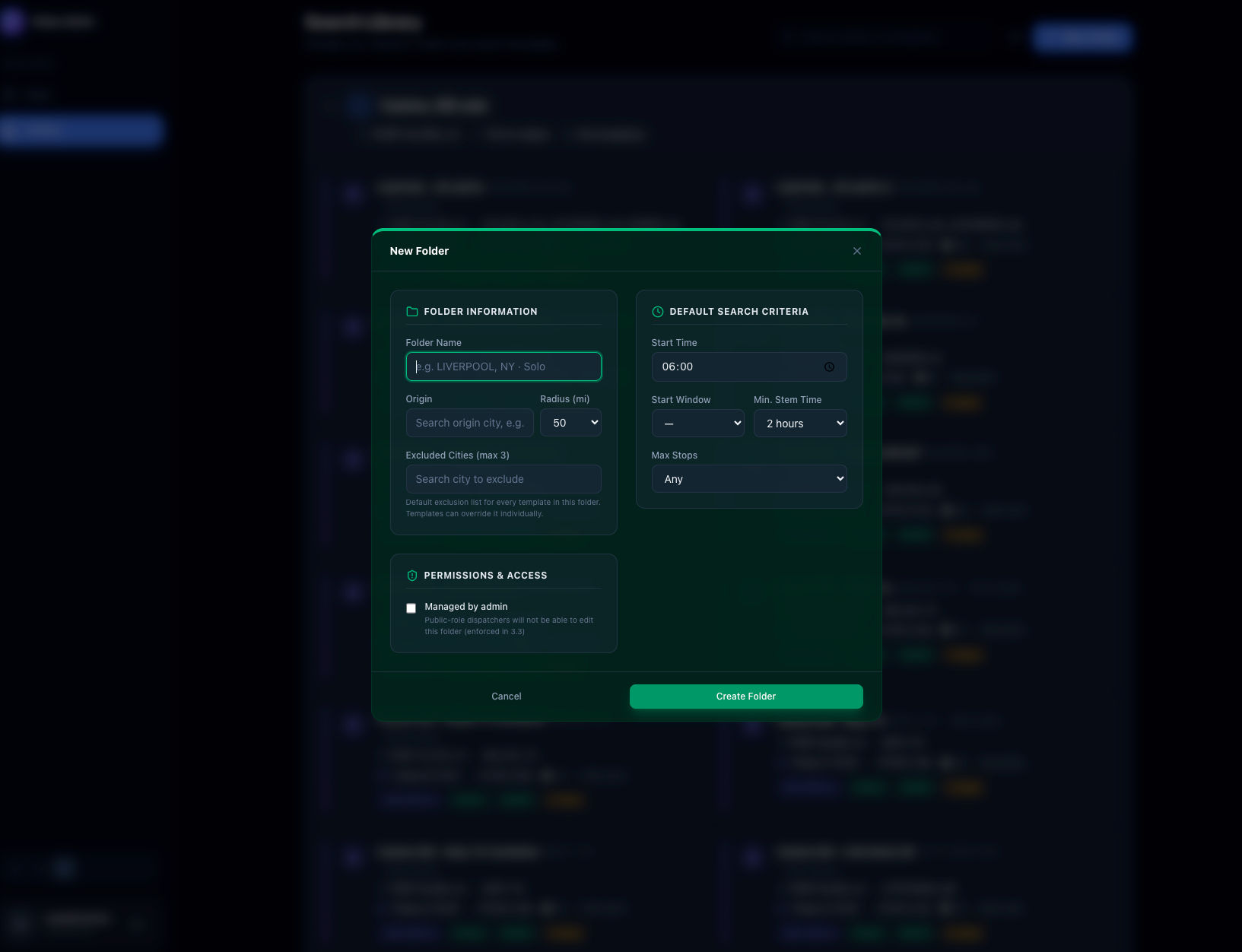
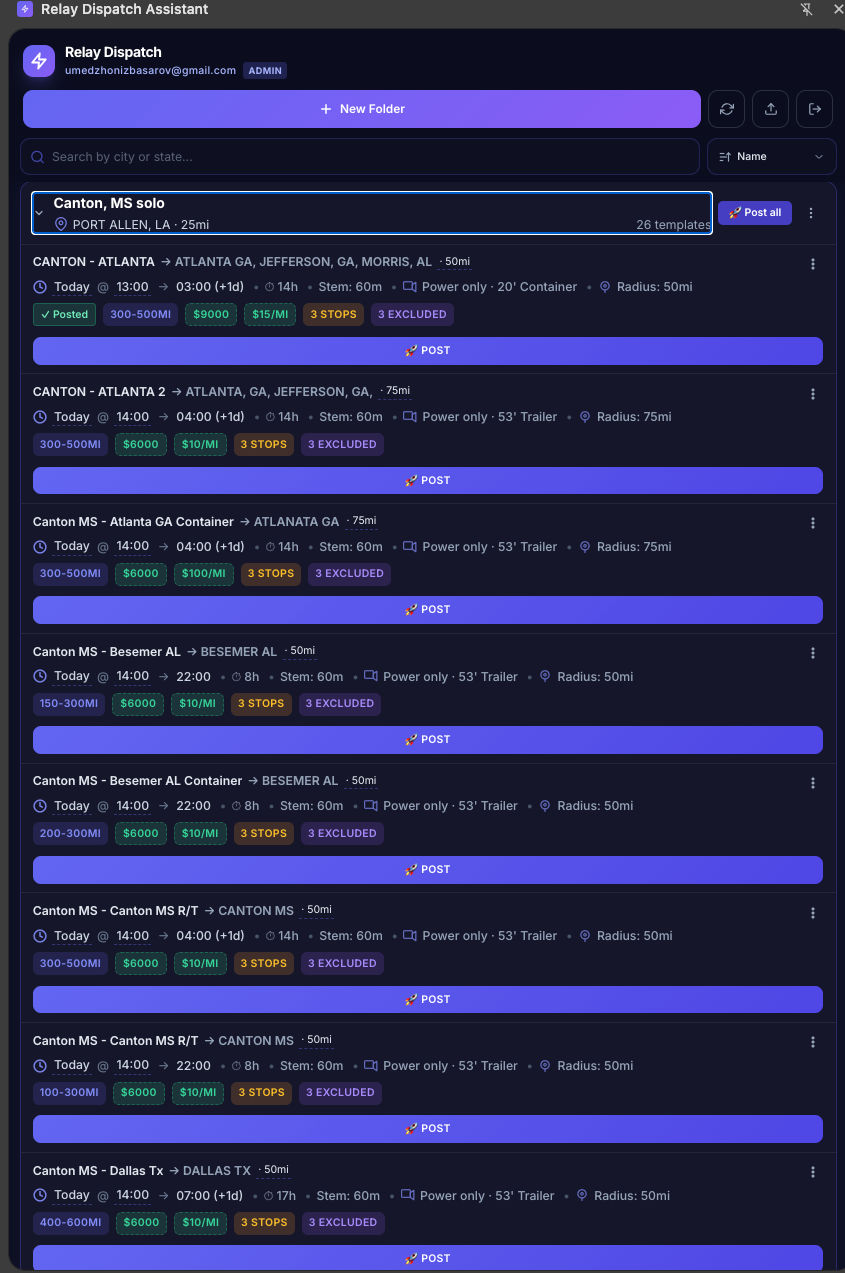
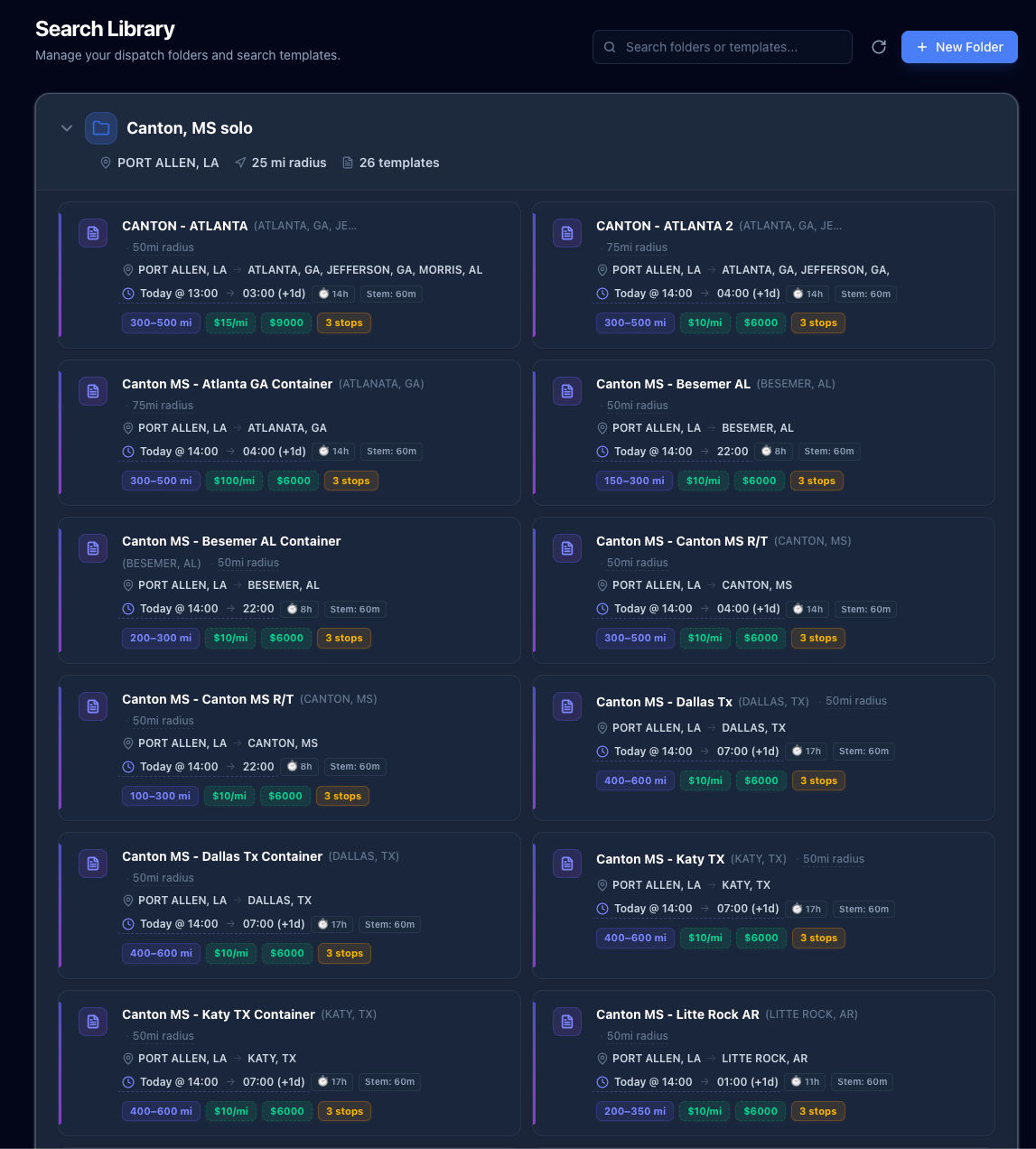
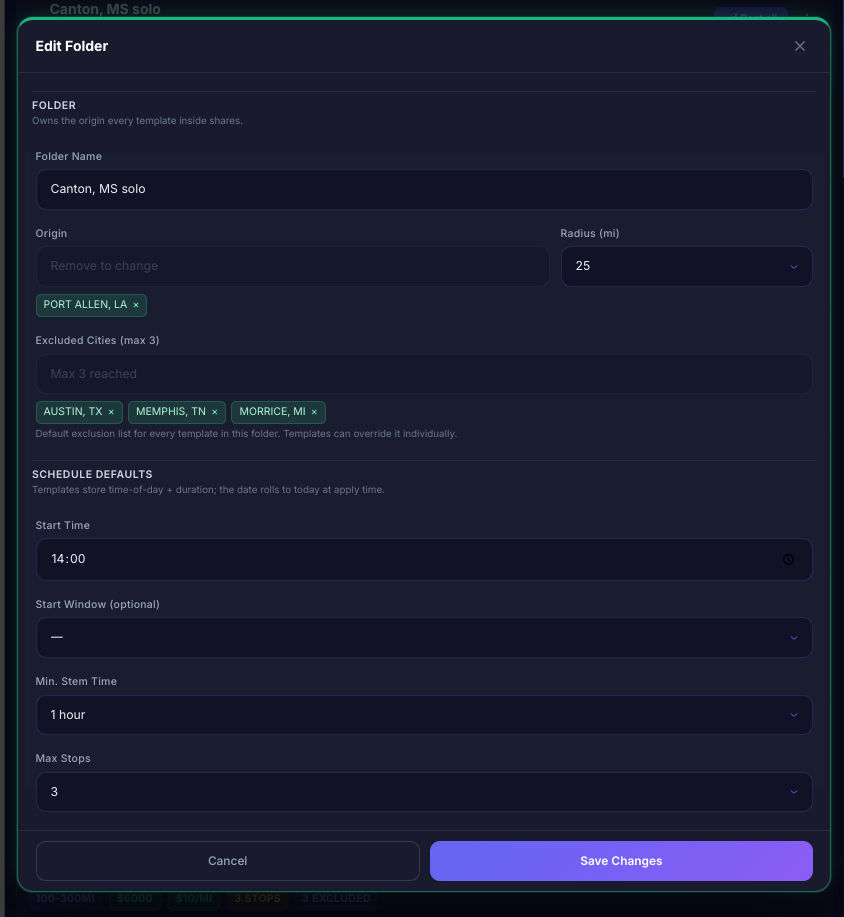
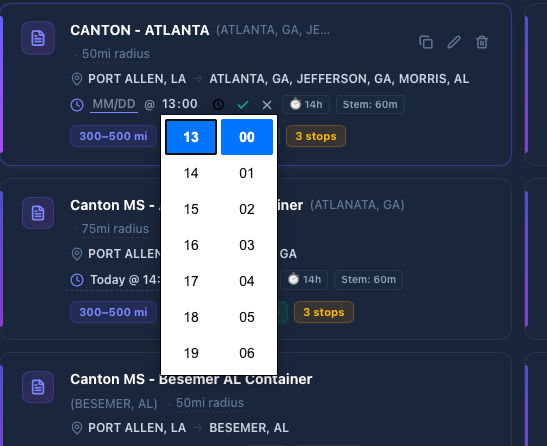
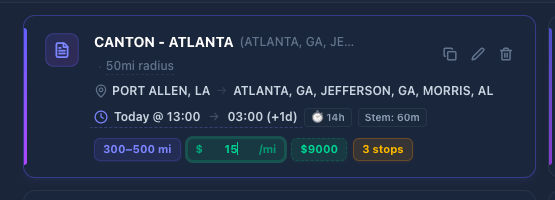
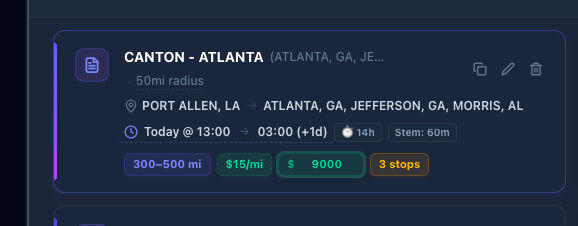
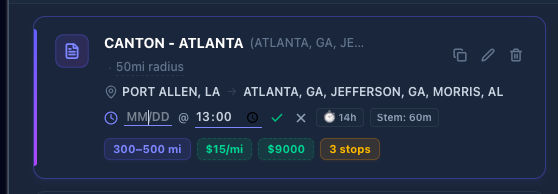
I architected and built a specialized multi-tenant automation ecosystem designed to completely decouple dispatchers from manual UI click-paths. The system abstracts fragmented search requirements into unified, reusable JSON parameter modules grouped inside structural regional folders (e.g., Canton Solo, Dallas Solo). By implementing automated session-state preservation and programmatic template execution pipelines, the platform allows an operational admin to define localized schedule defaults and trigger immediate, concurrent bulk transaction posts directly into the target routing environment with millisecond precision.
Results
Successfully deployed a high-velocity workflow suite that eliminated configuration bottlenecks across more than 25 target shipping networks. The infrastructure compressed operational processing intervals from multi-minute liabilities down to instantaneous, sub-second execution windows. By transitioning the fulfillment process to a centralized "Post All" architecture, the solution radically accelerated lane booking efficiency, completely eliminated human entry anomalies, and maximized operational asset utilization.
Role & Responsibilities
Lead Enterprise Automation & Integration Engineer — Managed full-stack infrastructure design, database schema topology, multi-tenant permission layers, and the core microsecond-optimized execution middleware.
Technologies Used
Interview Talking Points2 Points2 Challenges2 Decisions
Interview Talking Points
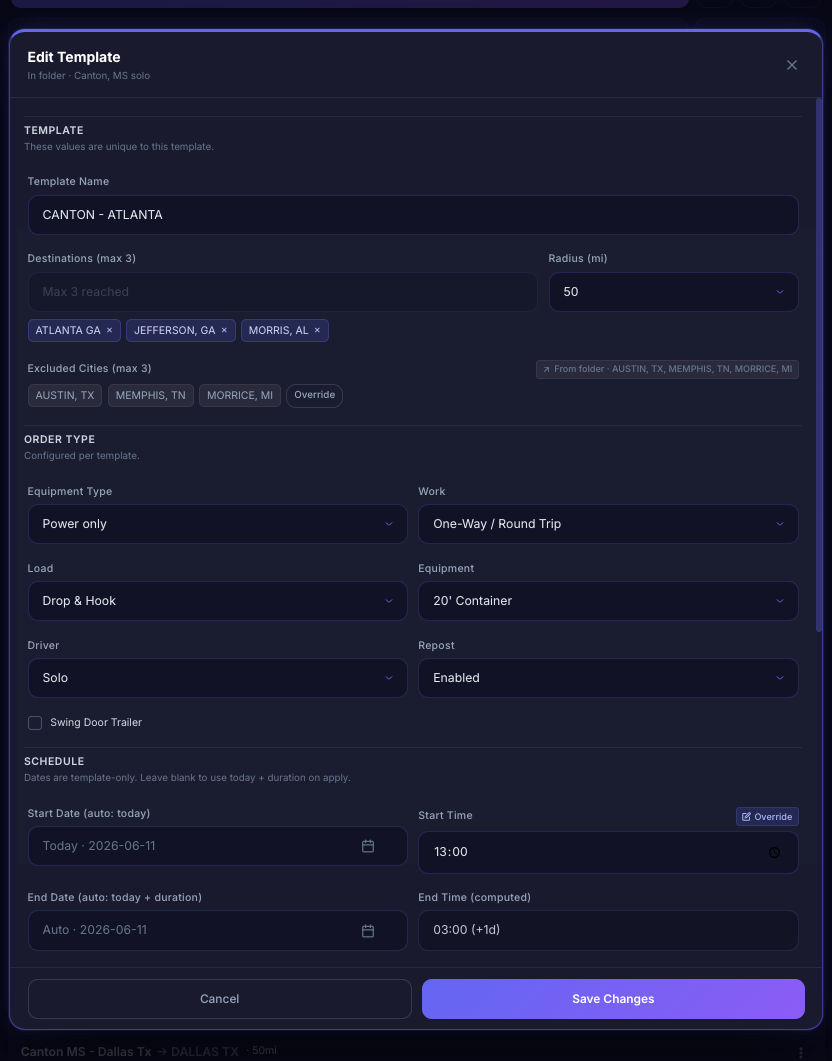
Designed structural JSON schema models to handle dynamic template overrides without causing data validation errors.
Justification for low-latency batch network architecture to handle concurrent, multi-lane payloads.
Challenges
Mitigating state synchronization anomalies across high-frequency execution sequences.
Handling multi-concurrency race conditions when executing bulk data postings across fragmented geographic folders.
Key Decisions
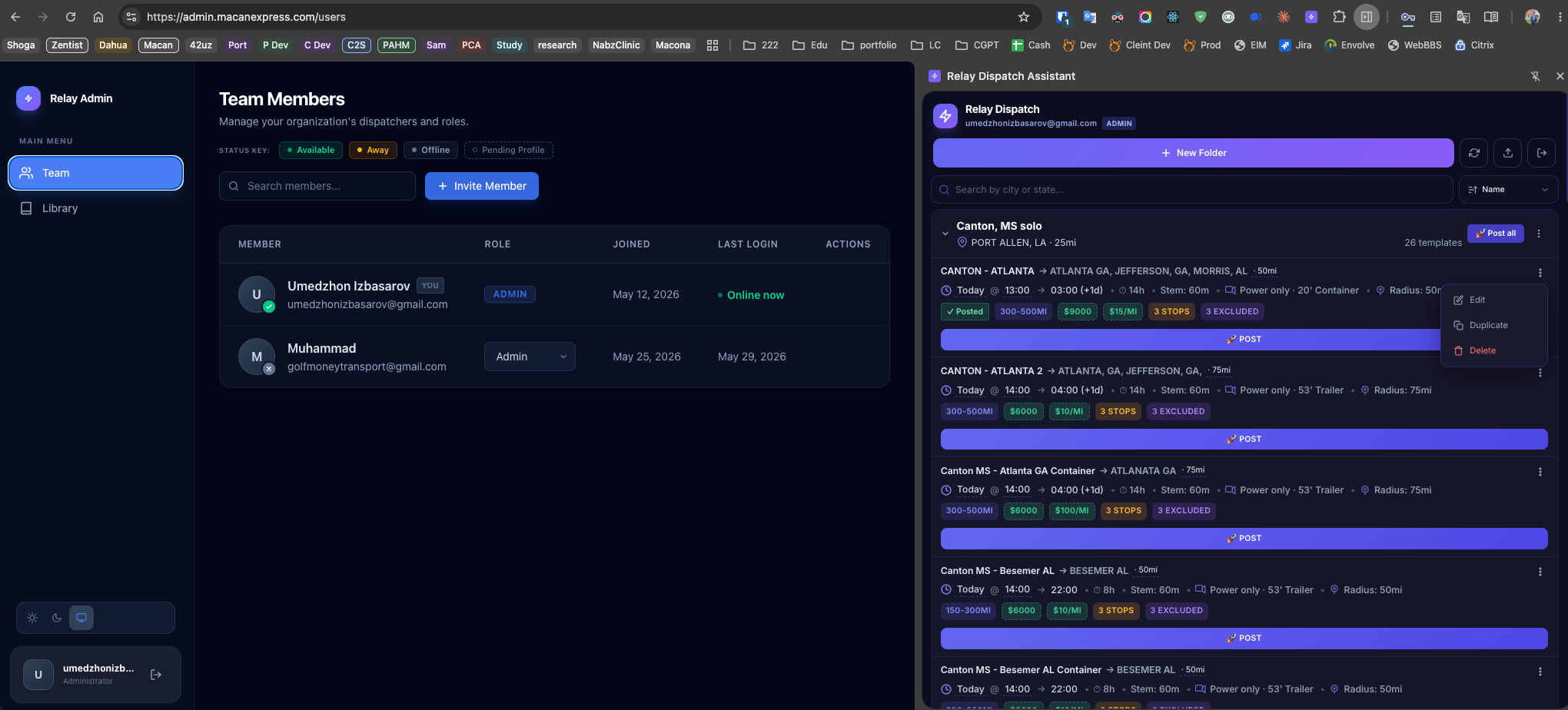
Utilizing strict role-based access toggles to allow administrators to permanently freeze default parameters and safeguard fleet compliance.
Architecting a unified side-by-side split screen view to let admins manage global library configurations without losing visibility of operational pipelines.